

The Nexperia Standoff: How a Chipmaker Became a Geopolitical Battleground
A deep dive into the corporate and political conflict threatening the global automotive and electronics supply chain from within.

A Dutch semiconductor firm, Nexperia, is now locked in a public and operational conflict with its Chinese parent company, Wingtech, disrupting the flow of essential electronic components. This internal schism is far more than a corporate dispute; it represents a microcosm of the broader geopolitical struggle over technology, where a single company becomes the stage for a clash between Western regulations and Chinese industrial policy.
The conflict’s roots trace back to a series of rapid-fire regulatory and legal actions that began in late 2025. On September 29, the United States tightened its export controls, directly impacting companies with 50% or more ownership by entities on its restricted “Entity List.” This immediately ensnared Nexperia, as its parent company, Wingtech, had been on that list since December 2024. The very next day, the Dutch government invoked its Goods Availability Act to place Nexperia under direct supervision, a clear signal of national concern over a critical domestic industry. The situation escalated dramatically as governments reacted. By October 4, China retaliated, prohibiting Nexperia’s Chinese facilities from exporting specific finished components, effectively weaponizing a key part of the company’s own supply chain against itself.
This cascade of events culminated in a legal intervention that severed the company’s traditional command structure. On October 7, the Enterprise Chamber of Amsterdam took the extraordinary step of suspending CEO Zhang Xuezheng and appointing an independent administrator, wresting control from its Chinese ownership in a bid to stabilize the European entity. This move highlights a fundamental question in today’s globalized economy: in an era of intense geopolitical tension, where does corporate authority end and national interest begin? The Dutch government officially confirmed its control framework on October 12, and Nexperia publicly acknowledged Beijing’s export veto just two days later. By the end of the month, the operational breakdown was complete when the Dutch headquarters, Nexperia B.V., suspended the shipment of semiconductor wafers to its Chinese subsidiary, citing unpaid bills.
At the heart of this dispute are so-called “foundation chips.” These are not the high-profile processors that power smartphones or AI, but the essential, workhorse components—like MOSFETs and logic devices—that manage power and basic functions in everything from cars to industrial machinery. Nexperia’s production model is a classic example of globalization: high-purity silicon wafers are fabricated in Europe, then shipped to facilities in China for the intricate processes of assembly and testing, before being exported to customers worldwide. This trans-continental dependency, once a model of efficiency, has now become the company’s greatest vulnerability. The disruption of these seemingly simple parts threatens to halt production lines for complex products, a scenario reminiscent of the pandemic-era shortages, but born from political friction rather than logistical collapse. Have we learned enough from past disruptions to build resilience against these new, politically-driven supply chain shocks?
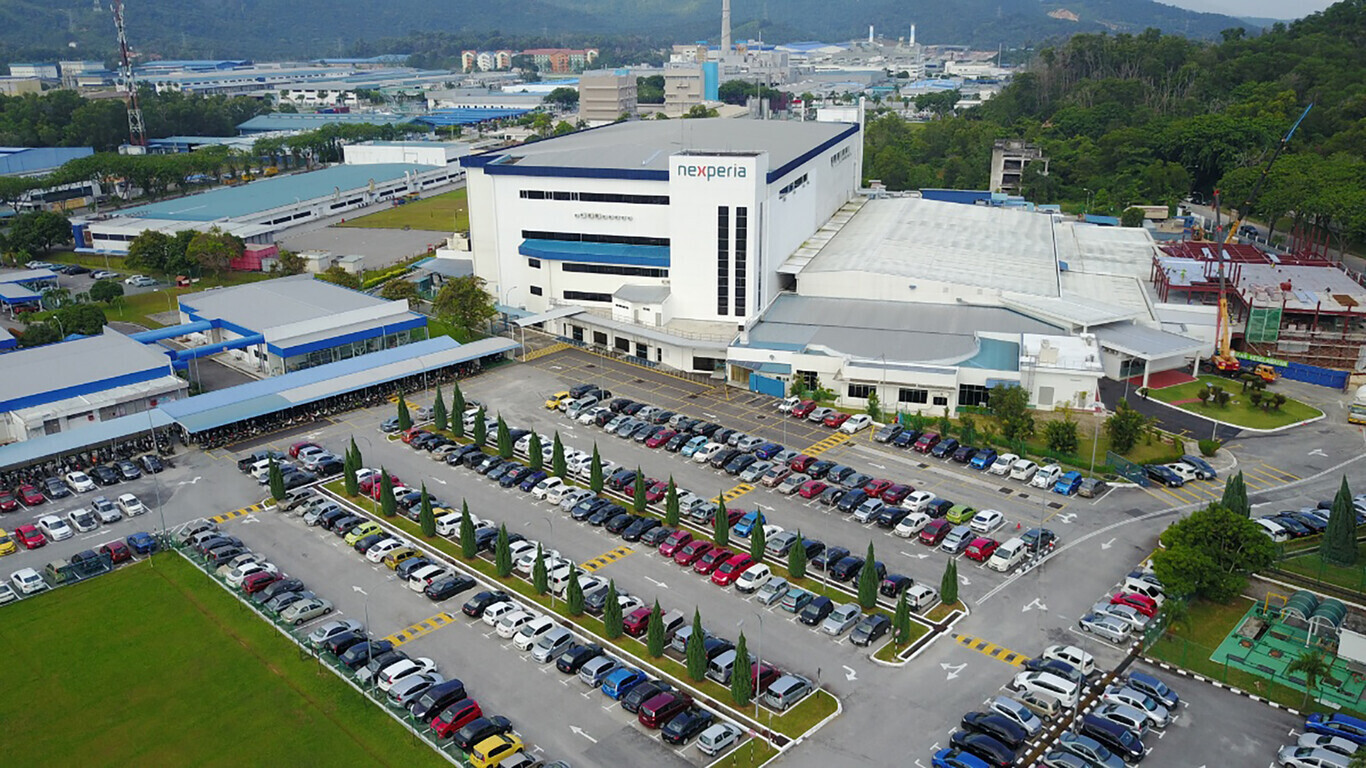
The two sides of the company have since engaged in a war of words, presenting starkly different realities. Nexperia B.V. in the Netherlands issued an open letter on November 27, claiming its Chinese counterparts have been unresponsive to all attempts at communication and warning that major customers are facing “imminent production stoppages.” They have offered to enter negotiations, even with professional mediation. Conversely, Nexperia China and Wingtech allege that the Dutch headquarters executed “destructive actions,” such as deleting corporate email accounts and blocking access to internal systems, which they claim made normal operations impossible. Wingtech frames the Dutch court’s intervention as an “illicit deprivation” of its control, asserting its Chinese teams have been engaged in a “self-rescue” effort to continue supplying hundreds of clients since October. While some diplomatic efforts in November saw the U.S. and Dutch governments temporarily suspend their respective measures, the Dutch court’s appointment of an administrator remains in place, leaving the core issue of corporate control unresolved.
The Nexperia saga serves as a potent case study of the risks inherent in modern global supply chains. The conflict over foundational chips, essential for automotive giants like Nissan and suppliers like Bosch, shows that the stability of entire industries now depends not only on technology but on the fragile intersection of corporate governance, international law, and raw political power. The immediate future of Nexperia’s output remains uncertain, with a resolution dependent on navigating these complex and competing interests.


